Virtual Reality Custom Glasses Development
We started developing our own plastic Virtual Reality glasses around October 2014. Google have launched their Google Cardboard units in June 25, 2014. We wanted something the same...
Developing Our Own Virtual Reality Glasses
Around October 2014, we began developing our own plastic virtual reality glasses. Earlier that year, on June 25, 2014, Google launched the original Google Cardboard units. Inspired by the concept, we wanted to create something similar but significantly more durable and practical for long-term use.
I developed these virtual reality glasses in collaboration with Phillip van der Walt, one of the leaders in 3D printing in South Africa.
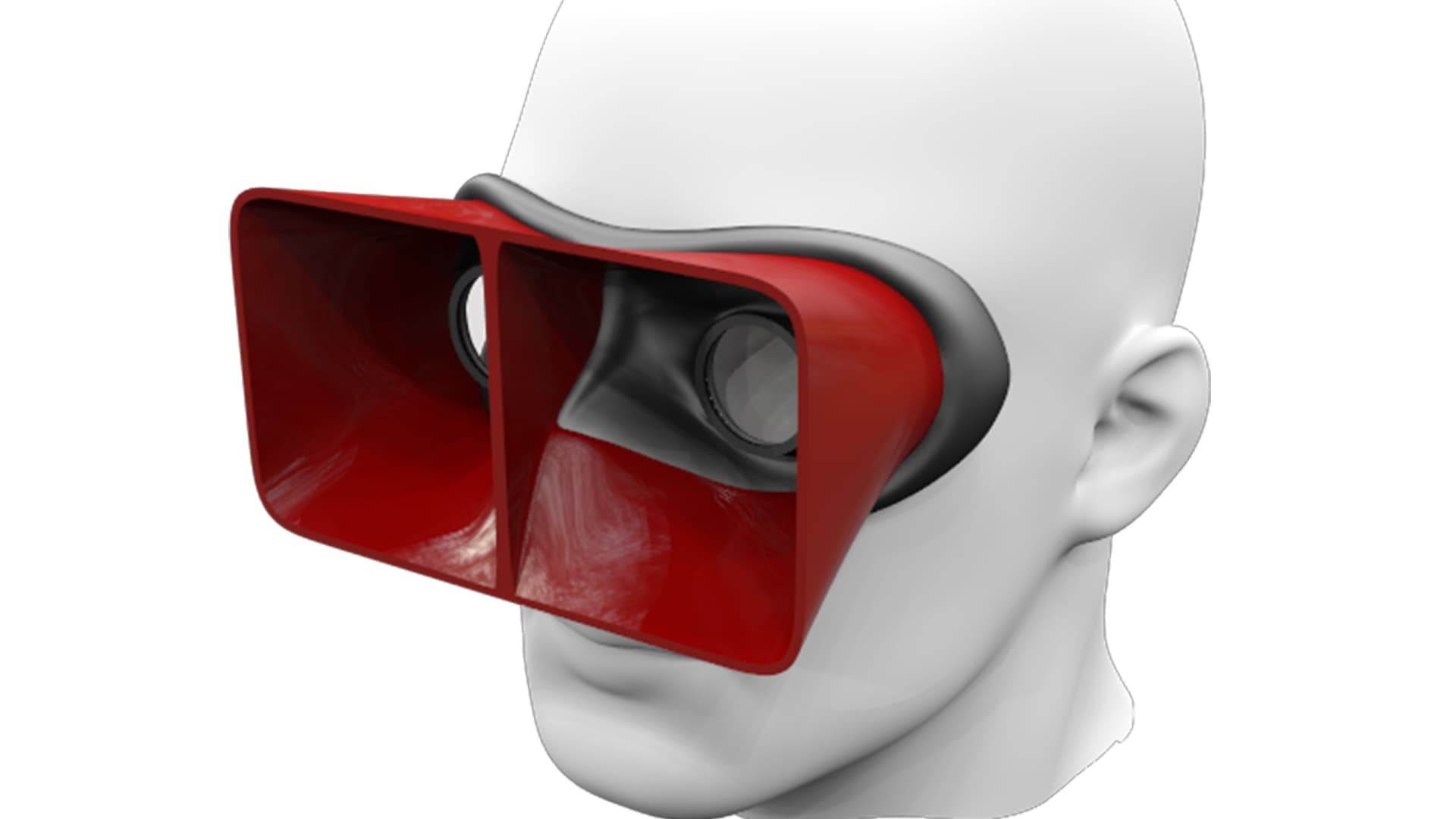
Our virtual reality headset design was based on the Google Cardboard concept, but with several important improvements. The biggest difference was that our version was manufactured from plastic instead of cardboard, making it far more durable and reusable. We also designed a custom rubber face piece that fitted comfortably against the user’s face, improving both comfort and hygiene.
Because the headset could easily be wiped clean after use, it was much more suitable for demonstrations, exhibitions, and public events where multiple people would use the device.
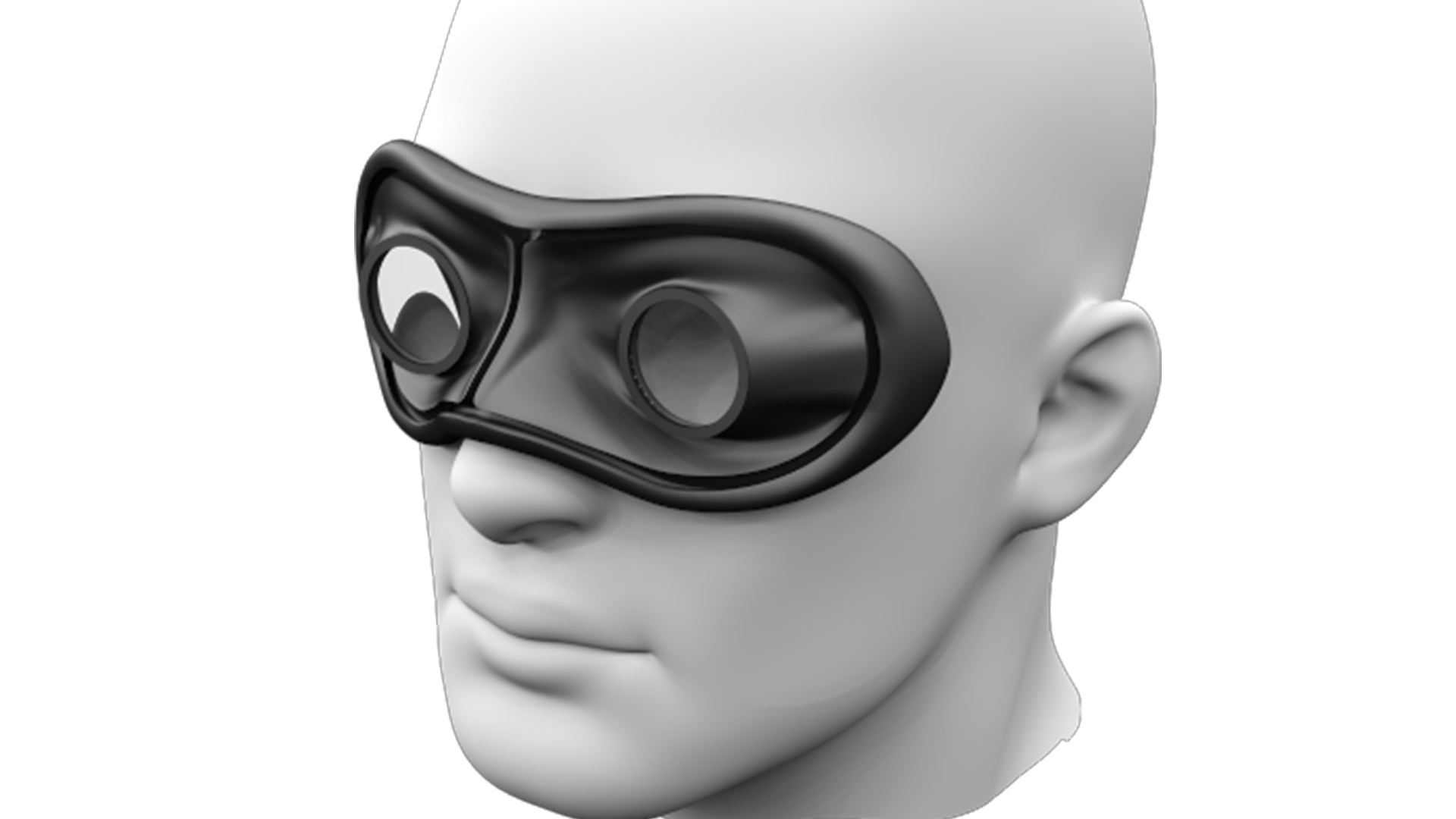
Custom-made plastic virtual reality glasses with a rubber face fitting for improved comfort and hygiene.
Our virtual reality glasses featured a custom rubber face piece that fitted perfectly onto the user’s face. The design made the headset more hygienic, comfortable, and easier to clean between uses.
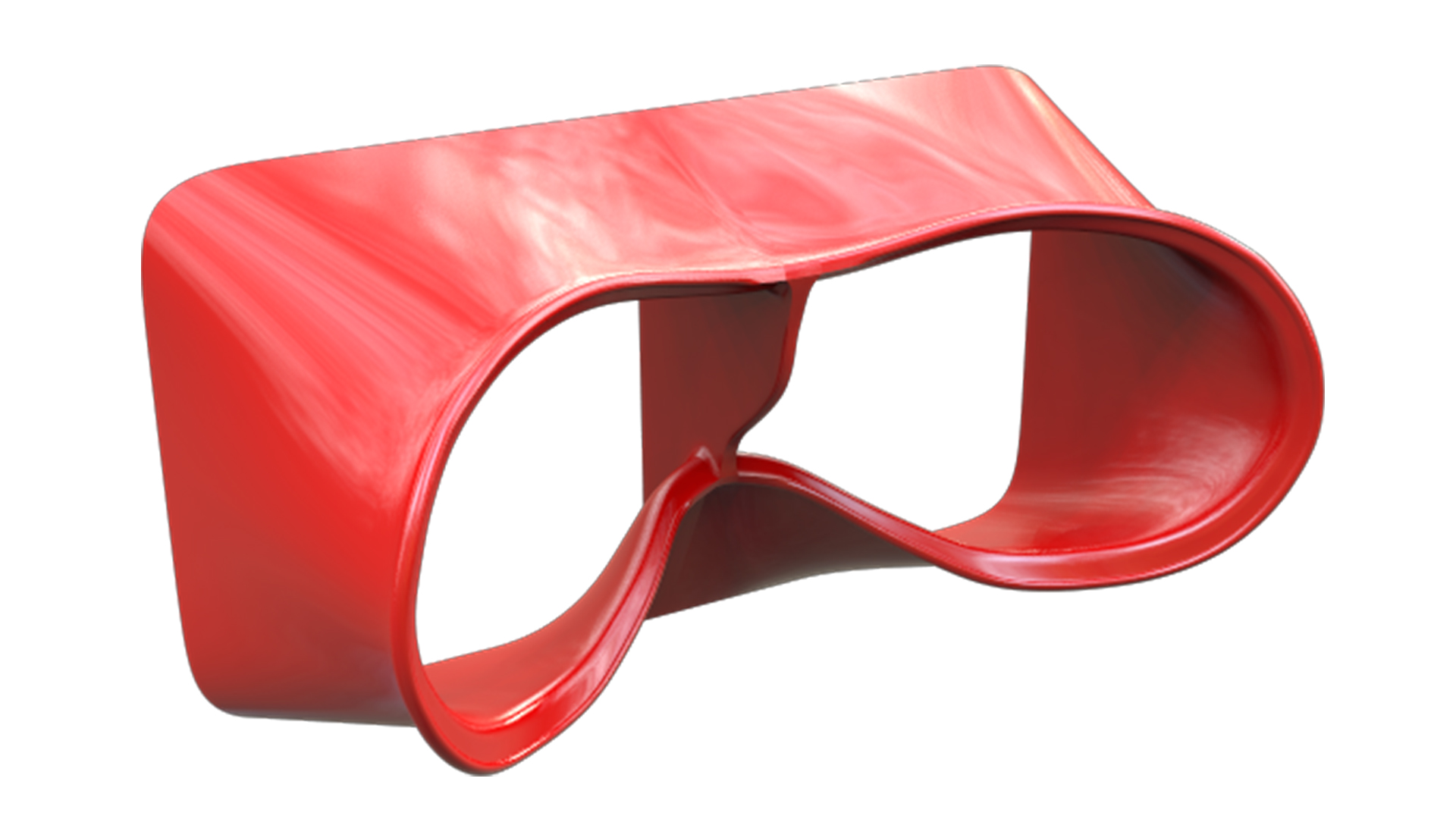
The durable plastic shell was designed as an alternative to Google-inspired cardboard virtual reality headsets.
The outer shell of the headset was specifically designed to be more durable than traditional cardboard-based VR viewers inspired by Google Cardboard.
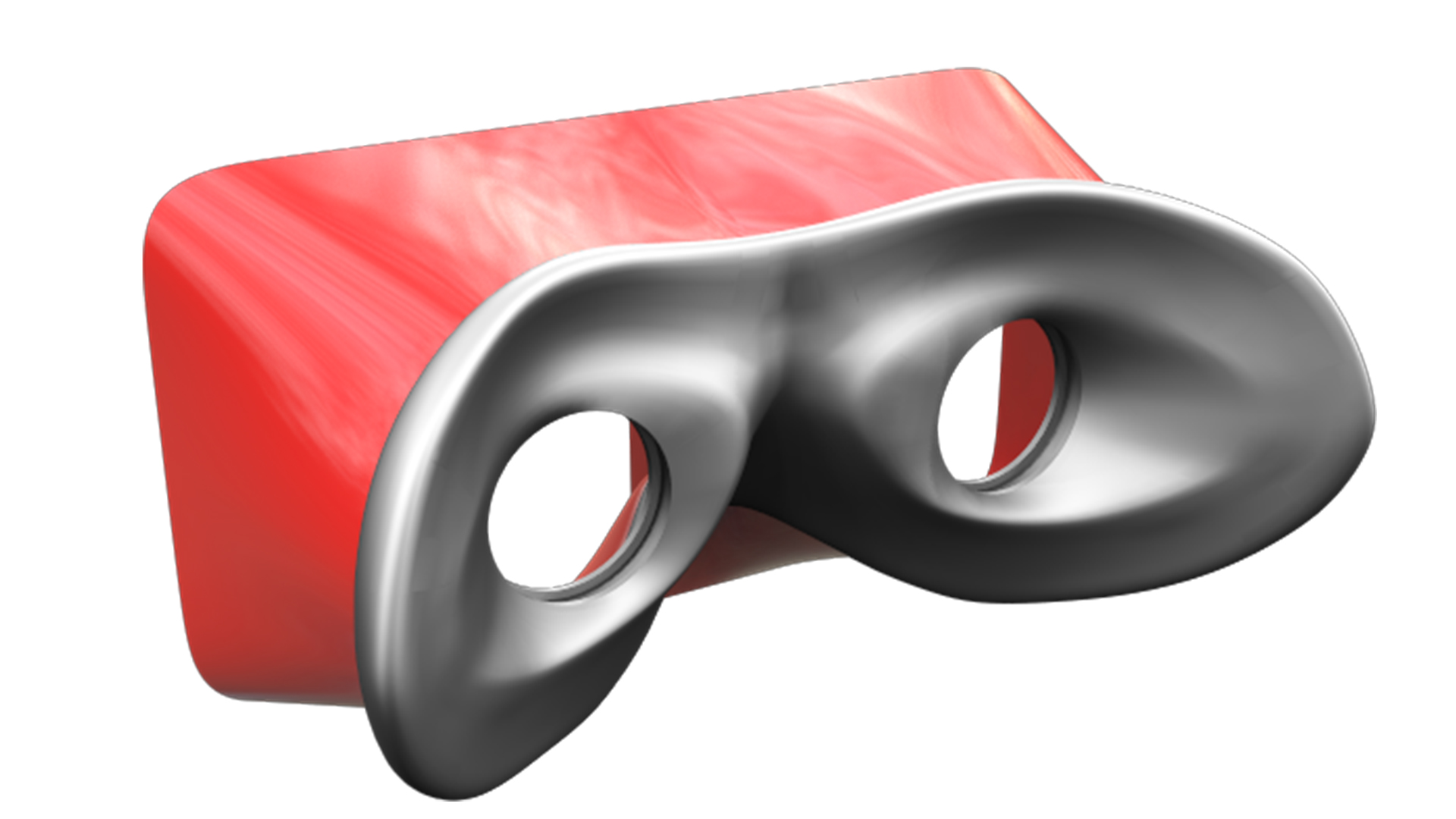
3D render of the virtual reality glasses.
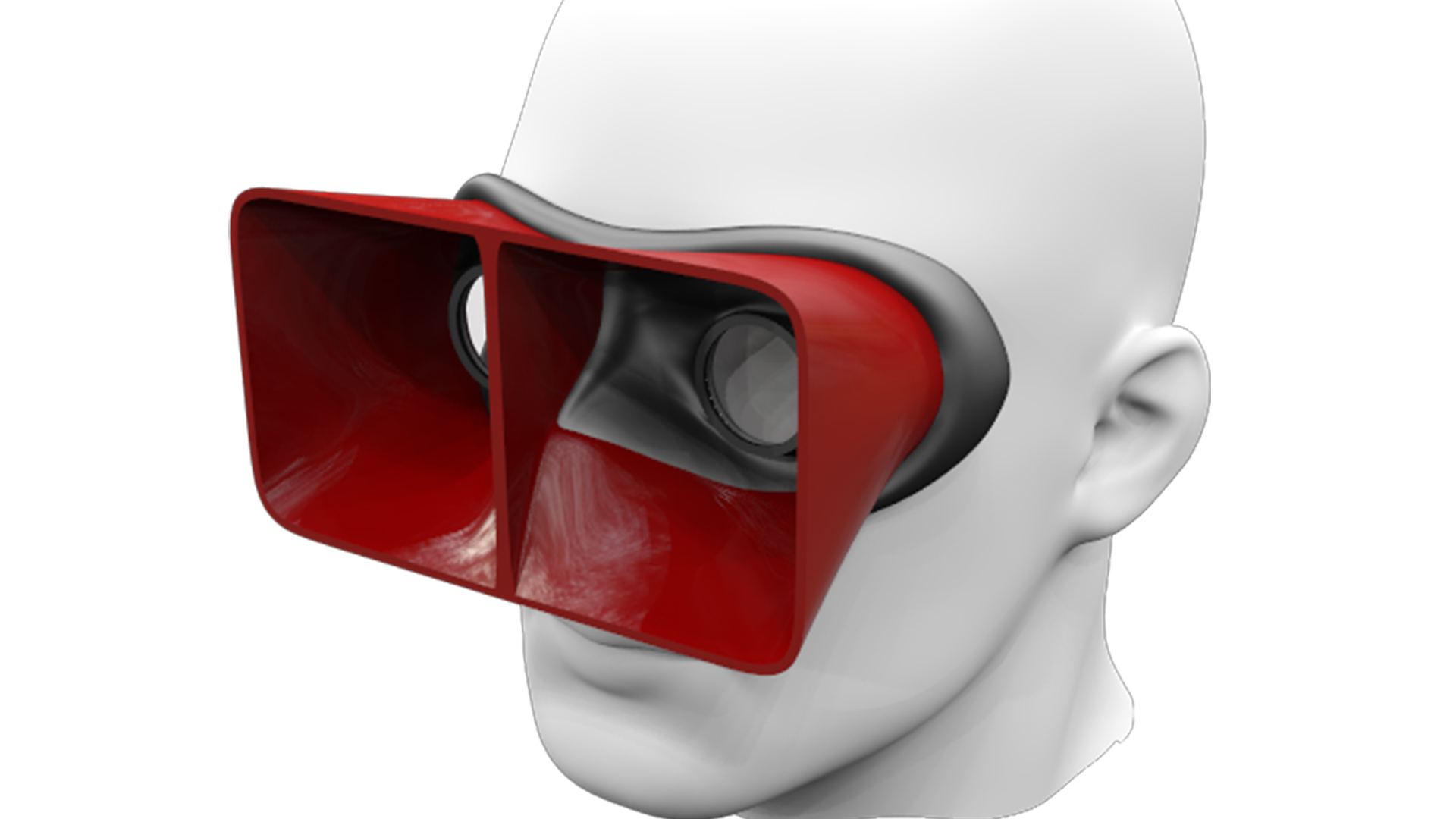
3D render showing how the virtual reality glasses fitted onto a user.
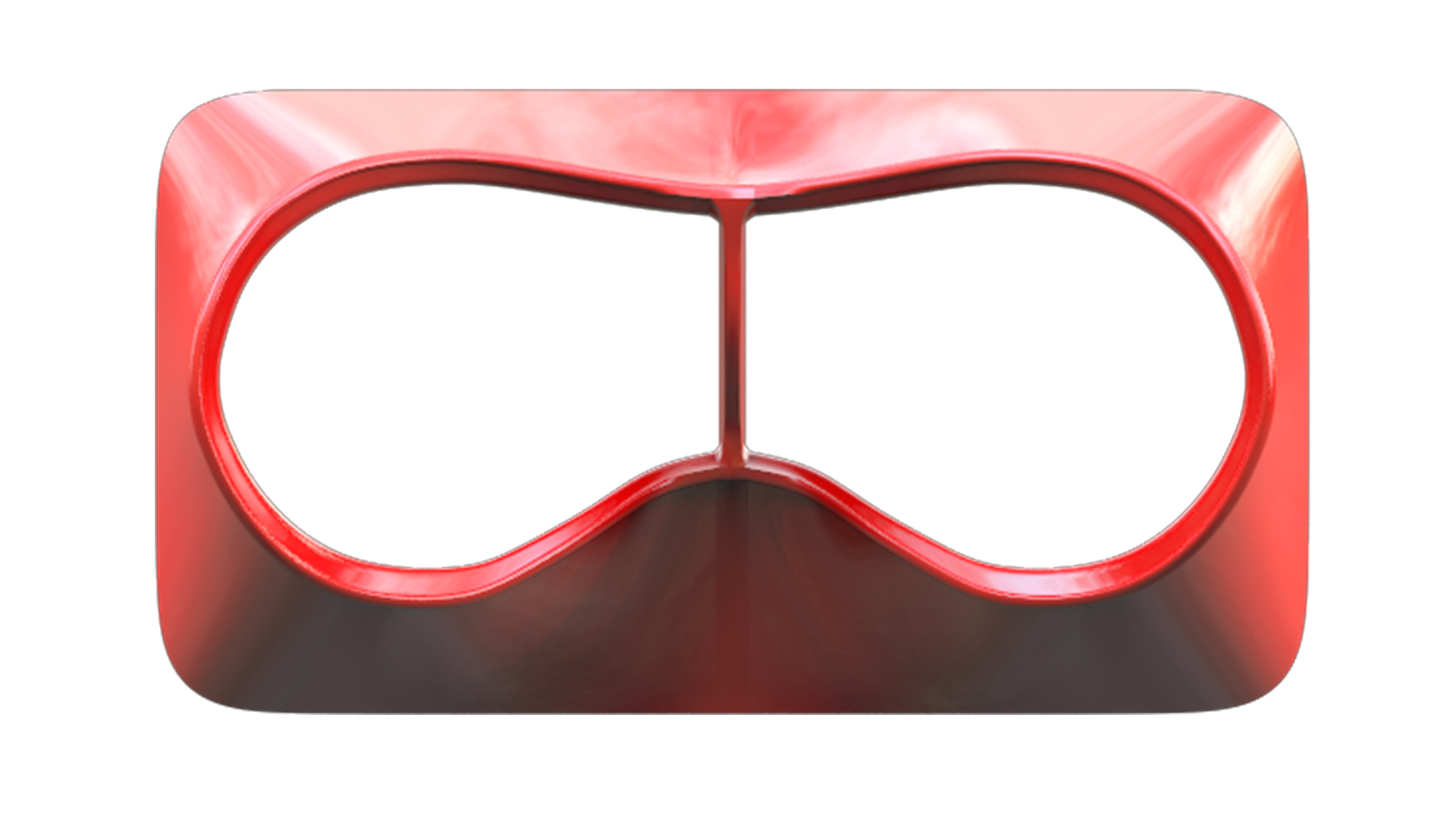
Rear view of the custom virtual reality glasses without the rubber face cover.
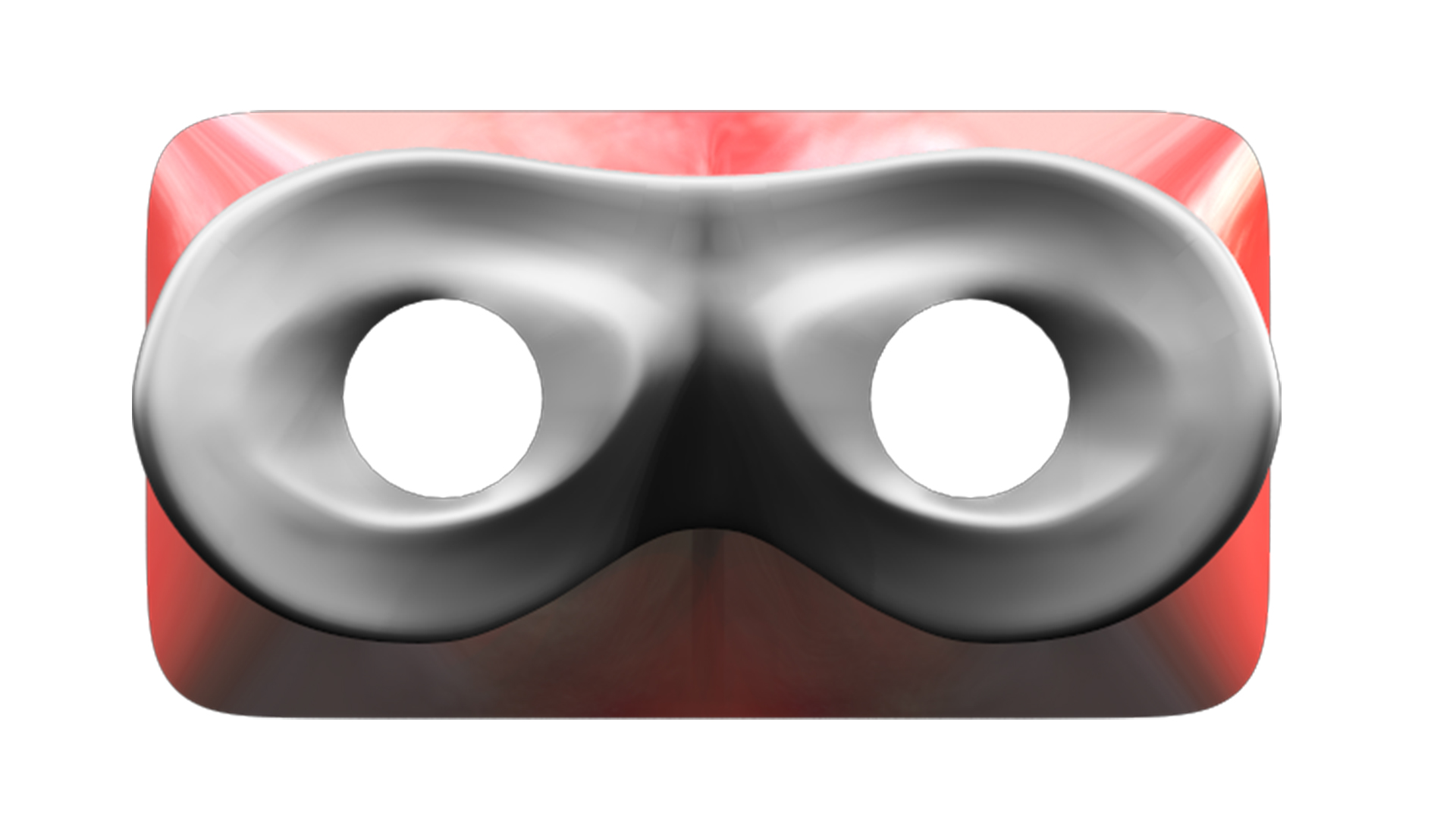
Rear view of the virtual reality glasses with the custom-made rubber face fitting installed.
Although we successfully manufactured several hundred of these virtual reality glasses, the project ultimately failed from a commercial perspective. We were unable to compete with Chinese manufacturers who were producing similar VR headsets at a fraction of the manufacturing cost.
Because the project was entirely self-funded, continuing production became financially unsustainable, and we were eventually forced to abandon the project.
Author: Gerald Ferreira